Championing Archaeological Businesses

Category: Health & Safety Stats

  • Development-led archaeology Health and Safety statistics 2023-24

    Development-led archaeology Health and Safety statistics 2023-24

    This is FAME’s 7th Health and Safety Injury Survey; the first was for the 2009-10 financial year, and since 2018-19, we have undertaken these surveys annually. This report covers the financial year 2023-24, and only covers archaeologists working in the UK. Some key findings:

    1. Archaeology has lower RIDDOR accident rates than the construction industry.
    2. Ill health causes the most work absences
    3. Near misses – are under-reported in the sector.

    Why does FAME publish H&S statistics?

    A goal of FAME’s Health & Safety strategy is to assemble industry injury and accident data to assist with the development of preventative measures and improved ways of working.

    The full report:

  • Development-led archaeology Health and Safety statistics 2022-23

    A goal of FAME’s Health & Safety strategy is to assemble industry injury and accident data to assist with the development of preventative measures and improved ways of working. This is FAME’s sixth Health and Safety Injury Survey; the first was for the 2009-10 financial year, and since 2018-19 we have undertaken these surveys annually. This report covers the financial year 2022-23, and only covers archaeologists working in the UK. Some key findings:

    1. Archaeology has lower RIDDOR accident rates than the construction industry.
    2. £8.1 million is lost each year in development-led archaeology to ill health, injury and stress.
    3. Near misses – are under-reported in the sector.

    The full report:

  • Development-led archaeology Health and Safety statistics 2021-22

    Development-led archaeology Health and Safety statistics 2021-22

    A goal of FAME’s Health & Safety strategy is to assemble industry injury and accident data to assist with the development of preventative measures and improved ways of working. This is FAME’s fifth Health and Safety Injury Survey; the first was for the 2009-10 financial year, and since 2018-19 we have undertaken these surveys annually. This report covers the financial year 2021-22, and only covers archaeologists working in the UK.

  • Development-led archaeology Health and Safety statistics 2020-21

    We have completed the analysis of the most recent Health and Safety Injury data, for contractors and consultants working in Development-led Archaeology in the UK. Three key findings are:

    Icon of a injured person
    1. Archaeology has comparable RIDDOR accident rates to the construction industry

    First aid kit

    2. Ergonomic/Manual Handling continues to be the most common cause of injuries.


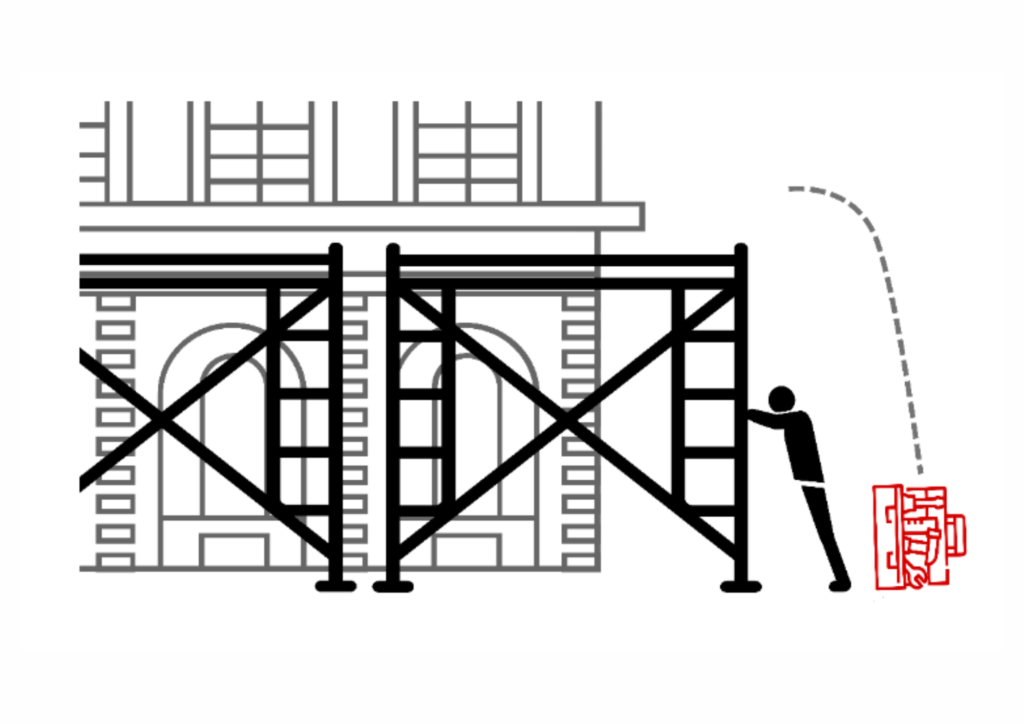
    Item almost hitting a person i.e. a near miss

    3. Near misses – are under-reported in the sector.


    You can read the full report here:

    Image credits-

    Injury: Flaticon.com, custom attribution license

    First aid kit: The Noun Project, CC0 (Creative Commons Public Domain)

    Near-miss: From FAME’s Near-miss guide

  • Development-led archaeology Health and Safety statistics 2019-20

    Development-led archaeology Health and Safety statistics 2019-20

    The results of the FAME 2019-20 Health and Safety Injury Survey are now available. The document can be downloaded here: FAME Health and Safety Injury Survey 2019-20


    3 Key Findings:

    1. Significant drops in RIDDOR Injury frequency rates & Incident rates:
    • Specified injuries:
      • 0.21 & 42 in 2019-20
      • 2.01 & 342 in 2018-19
    • Injuries resulting in over 7 days absence:
      • 0.43 & 84 in 2019-20
      • 1.51 & 256 in 2018-19
    1. Archaeology had comparable RIDDOR injury rates to the arts and entertainment industries in 2019-20, lower than construction and construction-related industries. Caution: it will take averaging multiple years to get accurate numbers for the sector, this is only year two of a four- to five-year process.


    1. Ergonomic/Manual Handling made up a third of non-RIDDOR reported injuries as it did for 2018-19 and is of concern for the sector.


  • Development-led archaeology Health and Safety statistics 2018-19

    Development-led archaeology Health and Safety statistics 2018-19

    Part of FAME’s Health & Safety strategy is to assemble industry injury and accident data to allow organisations to benchmark their performance against the sector. We hope this data will provide a better picture of Health and Safety across our sector and may assist with the development of preventative measures and improved ways of working.

    Report:
    FAME Health and Safety Injury Survey 2018-19

    Headlines:

    At first glance. archaeology appears to have a high RIDDOR injury rates. However, archaeology is a small field compared to other sectors which means one or two injuries can dramatically change the sectors ranking. Two archaeologists carrying a bulky piece of equipment together tripping and hurting themselves can easily change the rate for the whole sector significantly. We will need to average together several year’s data to be able to estimate the rates accurately and with precision. We appear to be similar in most aspects to the construction of buildings occupations which makes sense as they share work environments sometimes.

    Of greater concern are non-RIDDOR reportabel injuries. For an injury to be RIDDOR reportable it has to be the result of a separate, identifiable, unintended incident, which causes physical injury. So, an injury or illness resulting in time off work is not reportable unless there is an identifiable event that caused the injury, for example, an object striking someone. Muscle injuries can be cumulative and repetitive stress injuries would also not be caught by RIDDOR reporting as they are not caused by a single event. In future surveys we will aim to collect better data on the non-RIDDOR reported injuries to better understand this.

    FAME’s Health and Safety Working Group are concerned by these numbers. While we are comparable to those working in the construction of buildings we believe that is still too high for the work we do. FAME is currently sourcing training for manual handling and ergonomics for members to help lower these injury rates. We hope to have more information about this training soon.