
We are proud to announce that the archaeology and solar development guidance has been officially launched.
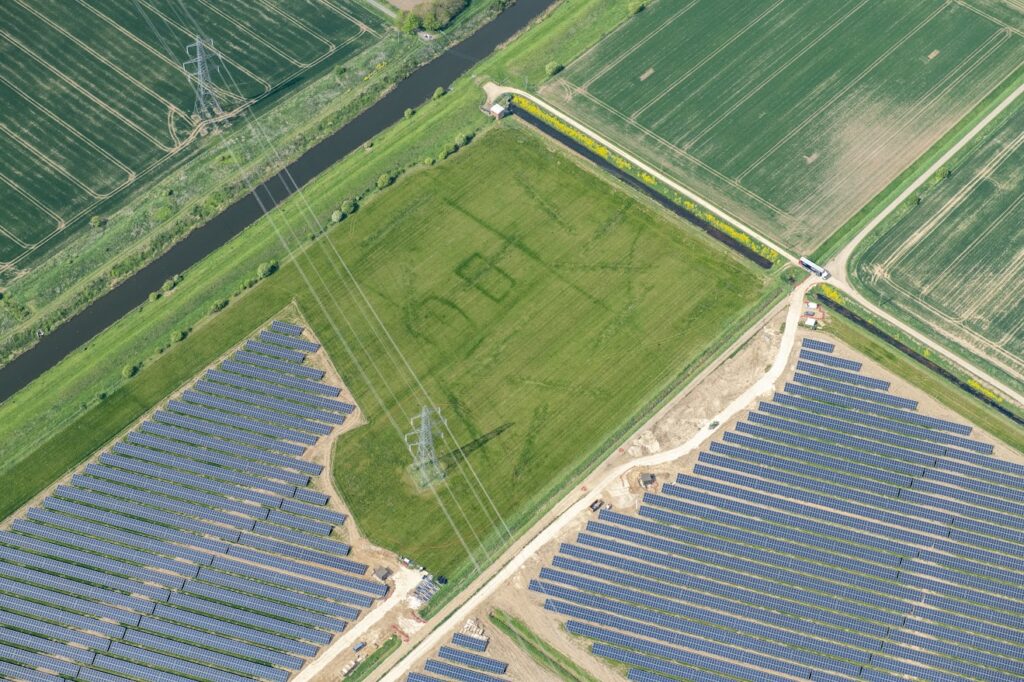
Solar energy developers can now access clear and consistent guidance on managing archaeological requirements throughout large-scale solar farm projects. Supported by professional and industry bodies, the Archaeology and Solar Farms Good Practice Guide sets out when to act, which techniques to use and how developers and archaeologists can work together effectively, from early site assessment through to decommissioning.
Early engagement
Through high-quality archaeological assessment, staged and focused from the outset to delivery, developers can make informed design decisions, demonstrate responsible development practice and meet planning policy requirements. A proportionate and integrated approach to evaluation techniques and design can save time and money without compromising the historic environment.
Archaeological work carried out during development can also create opportunities to connect with local communities, with finds and site histories offering a meaningful way to engage people throughout the project lifecycle.
A partnership approach
The Guide is a result of collaboration between FAME, Solar Energy UK, the Chartered Institute for Archaeologists (CIfA), Historic England, and the Association of Local Government Archaeological Officers (ALGAO). Historic England provided funding to support its development.
The guide applies across England, Northern Ireland and Wales. Download it here:
“This guidance is a landmark in bringing two different industries together on the same page, while also building a foundation for positive and lasting relationships between archaeologists and the solar sector. The new guidelines should ensure that archaeological investigations on solar farms are conducted more consistently, lowering costs and boosting confidence in investing in the transition to renewable energy.”
Chris Hewett, Chief Executive of Solar Energy UK