Championing Archaeological Businesses

Category: Environment sustainability

  • Solar developers get clearer path through archaeological planning

    We are proud to announce that the archaeology and solar development guidance has been officially launched.
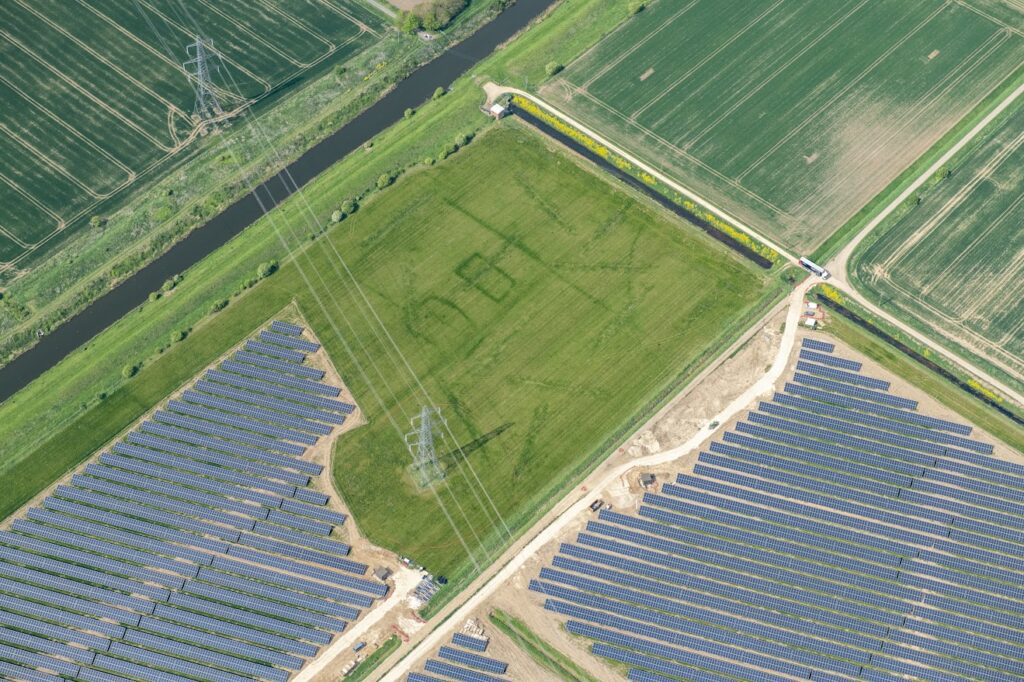
    Solar energy developers can now access clear and consistent guidance on managing archaeological requirements throughout large-scale solar farm projects. Supported by professional and industry bodies, the Archaeology and Solar Farms Good Practice Guide sets out when to act, which techniques to use and how developers and archaeologists can work together effectively, from early site assessment through to decommissioning.

    Early engagement

    Through high-quality archaeological assessment, staged and focused from the outset to delivery, developers can make informed design decisions, demonstrate responsible development practice and meet planning policy requirements. A proportionate and integrated approach to evaluation techniques and design can save time and money without compromising the historic environment.
    Archaeological work carried out during development can also create opportunities to connect with local communities, with finds and site histories offering a meaningful way to engage people throughout the project lifecycle.

    A partnership approach

    The Guide is a result of collaboration between FAME, Solar Energy UK, the Chartered Institute for Archaeologists (CIfA), Historic England, and the Association of Local Government Archaeological Officers (ALGAO). Historic England provided funding to support its development.

    The guide applies across England, Northern Ireland and Wales. Download it here:

    https://www.archaeologists.net/sites/default/files/2026-04/Archaeology-and-Solar-Farms-GPG—FINAL-2026-04-14.pdf

    “This guidance is a landmark in bringing two different industries together on the same page, while also building a foundation for positive and lasting relationships between archaeologists and the solar sector. The new guidelines should ensure that archaeological investigations on solar farms are conducted more consistently, lowering costs and boosting confidence in investing in the transition to renewable energy.”

    Chris Hewett, Chief Executive of Solar Energy UK

  • Digging into digital – efficiencies and ethics

    An event being organised by the Environmental Impact Assessment (EIA) Community, in collaboration with the Chartered Institute for Archaeologists (CIfA). 

    Digital and Artificial Intelligence (AI) tools are transforming ways of working in the environmental and archaeological sectors. This event brings together members from environmentalists and archaeologists to share knowledge, discuss solutions, and hear from expert speakers. 

    Join for a timely online discussion on the promise and pitfalls of digital working. The session will explore how digitised workflows and AI can drive efficiency, collaboration and insight—while also examining their carbon footprints, energy demands, and ethical implications. 

    https://www.the-ies.org/events/eia-community-discussion-digging-digital-efficiencies-and-ethics

  • Gaining an understanding of soil carbon and its management in an archaeological context

    Historic England has commissioned research to better understand carbon loss from soil during archaeological excavation.  The report outlines the properties and dynamics of carbon in soil and the potential effects of archaeological investigations on these. It identifies ways in which soil carbon loss can be mitigated and managed through planning and practice.

    The report introduces the science of soil and soil carbon with reference to the impact of archaeological interventions. Different estimated carbon loss scenarios are described for trial trenching and area excavation, with values for carbon loss shown, based on the area disturbed and the duration of disturbance. The report highlights the complexity of the subject, particularly in accurately measuring soil carbon.

    This new work is relevant to individuals and organisations commissioning or undertaking archaeological excavation as it contributes to ongoing discussions about archaeology, carbon reduction plans and sustainability.  Recommendations are given for how soil carbon losses can be minimised by changes in practice, for example, around soil management and timing of backfilling.

    If you’d like to hear more about this subject from the report’s author, Historic England are running a webinar at 1pm on the 25th February 2026.

  • FAME Carbon Calculator Updated – December 2025

    We have updated the FAME Carbon Calculator to version 2.22. It now includes hotels and subsistence. Staying locally has a big potential to reduce the carbon impact of the delivery of some archaeological projects. You can find the new version here: https://famearchaeology.co.uk/what-we-do/environment-sustainability/

  • Offsite Biodiversity Net Gain and the Historic Environment

    A presentation from Nick Overton (Oxford Archaeology) at the 2025 FAME Forum.

  • The FAME carbon calculator for archaeology has been published

    The FAME carbon calculator for archaeology has been published

    FAME has commissioned the creation of a carbon calculator tool that allows archaeology organisations to:

    1. record their greenhouse gas emission baseline figures;
    2. report emissions to clients and other stakeholders (by project, period or location);
    3. make and track reduction plans towards net-zero emissions.

    This calculator has been made available to the whole sector FOR FREE. You can download it and the instructions here: https://famearchaeology.co.uk/what-we-do/environment-sustainability/

    Thank you to Historic England, who co-funded this project with us.

  • Digging deeper for net zero

    FAME members are working on methods and processes to cut their carbon use, to help tackle climate change. To support our members we are in the process of creating a Carbon Calculator for the archaeology sector, read more here and watch here. We are also sign-posting resources to our members – one of which may be of interest: the EIA Community Debate: Digging deeper for net zero. The Institution of Environmental Sciences, in collaboration with CIfA, are running this free online event. The discussion is intended for anyone interested in thinking through the wider carbon footprint of projects, including EIA professionals, planners and those working in archaeology and heritage assessment. They will be discussing changing thinking around the ‘whole-life’ of projects, from the beginning of design through to downstream effects (following the Finch case) and long-term digital data storage and digital tools.

    Book a spot here: https://www.the-ies.org/events/eia-community-debate-digging

    Tuesday, 1 April 2025 – 12:30pm to 1:30pm, online

  • FAME’s Carbon Calculator

    A presentation from Chris Springett (Spring Environmental) at the 2024 FAME Forum.

  • Sustainability Agendas for Archaeological Contractors

    A presentation from Chris Springett (Spring Environmental) at the 2023 FAME Forum.